
Scooters & Plastic
from Bogor to Ujung Kulon

As I travel out of Jakarta by train I am glad to be leaving the city life behind.
One week in the Big Smokes of Jakarta and Bogor were quite a lot for this live in the bush Man.
In reality, Bogor, is an extension of Jakarta’s 11 million people with no discernible separation. Bogor is home to some 2 million folk.
In the last two days in Bogor I was definitely ready to leave the 24 hour scooter racers behind. Two stroke motors zooming by at any given hour was noticeable load in my energetic body.
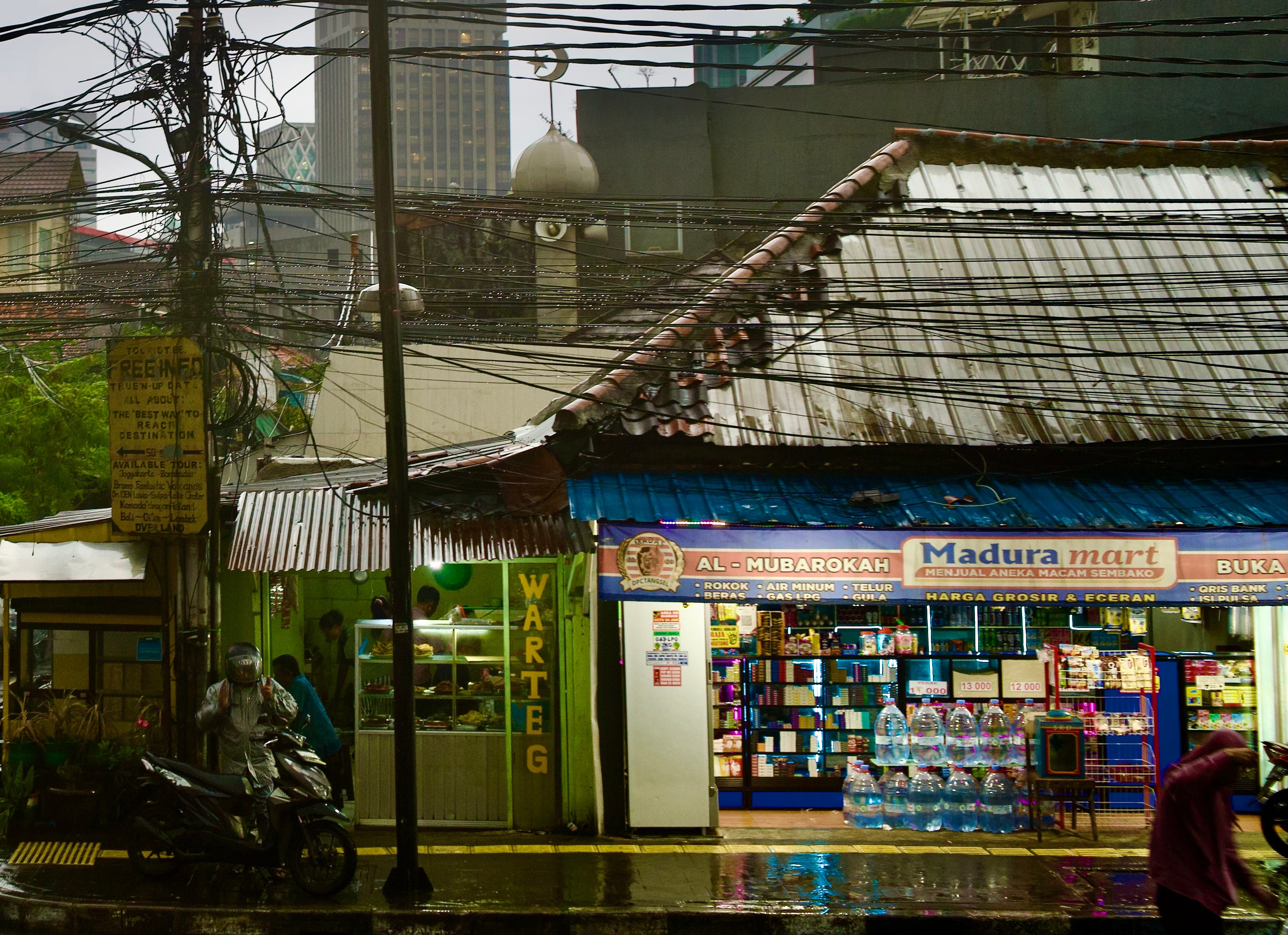
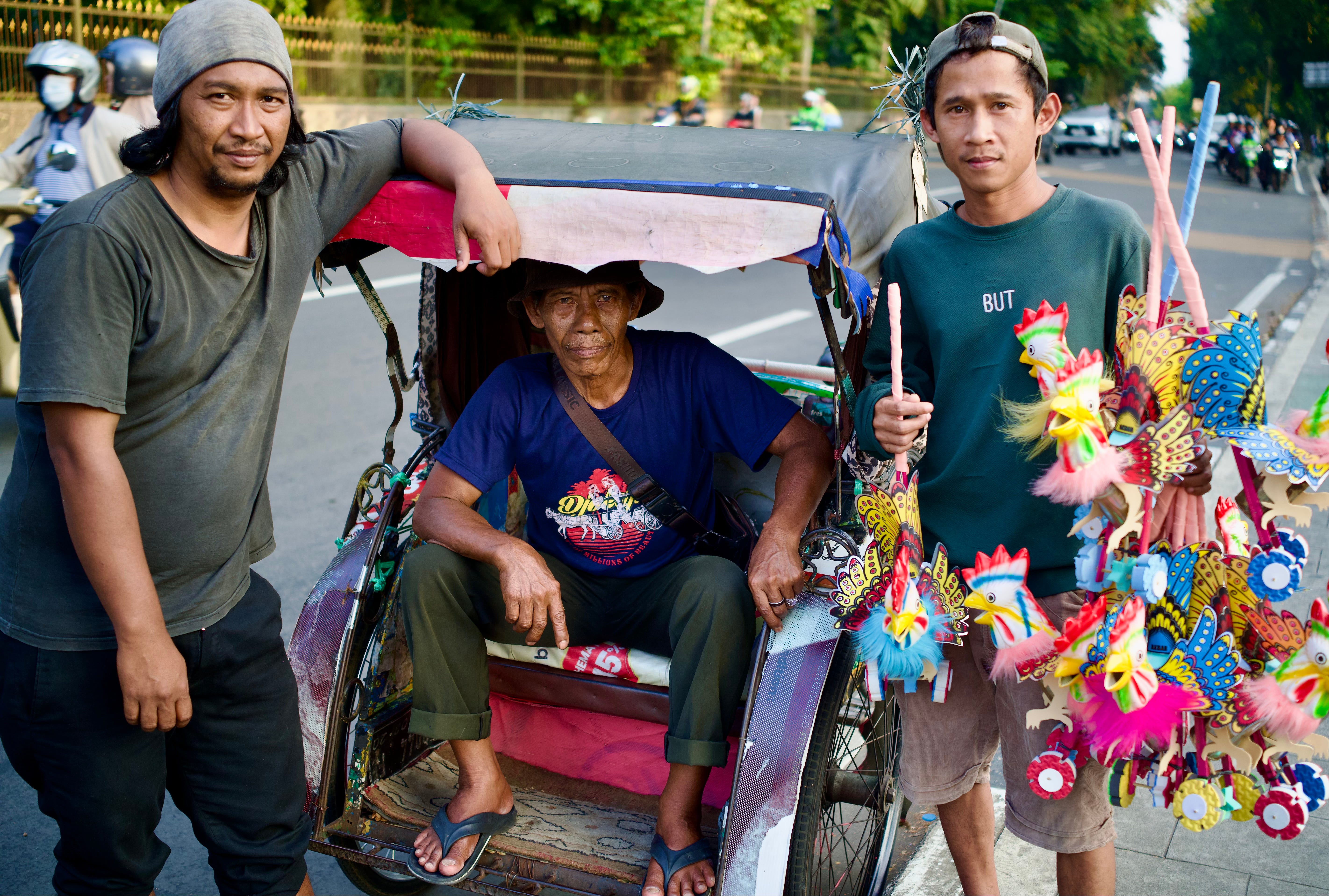
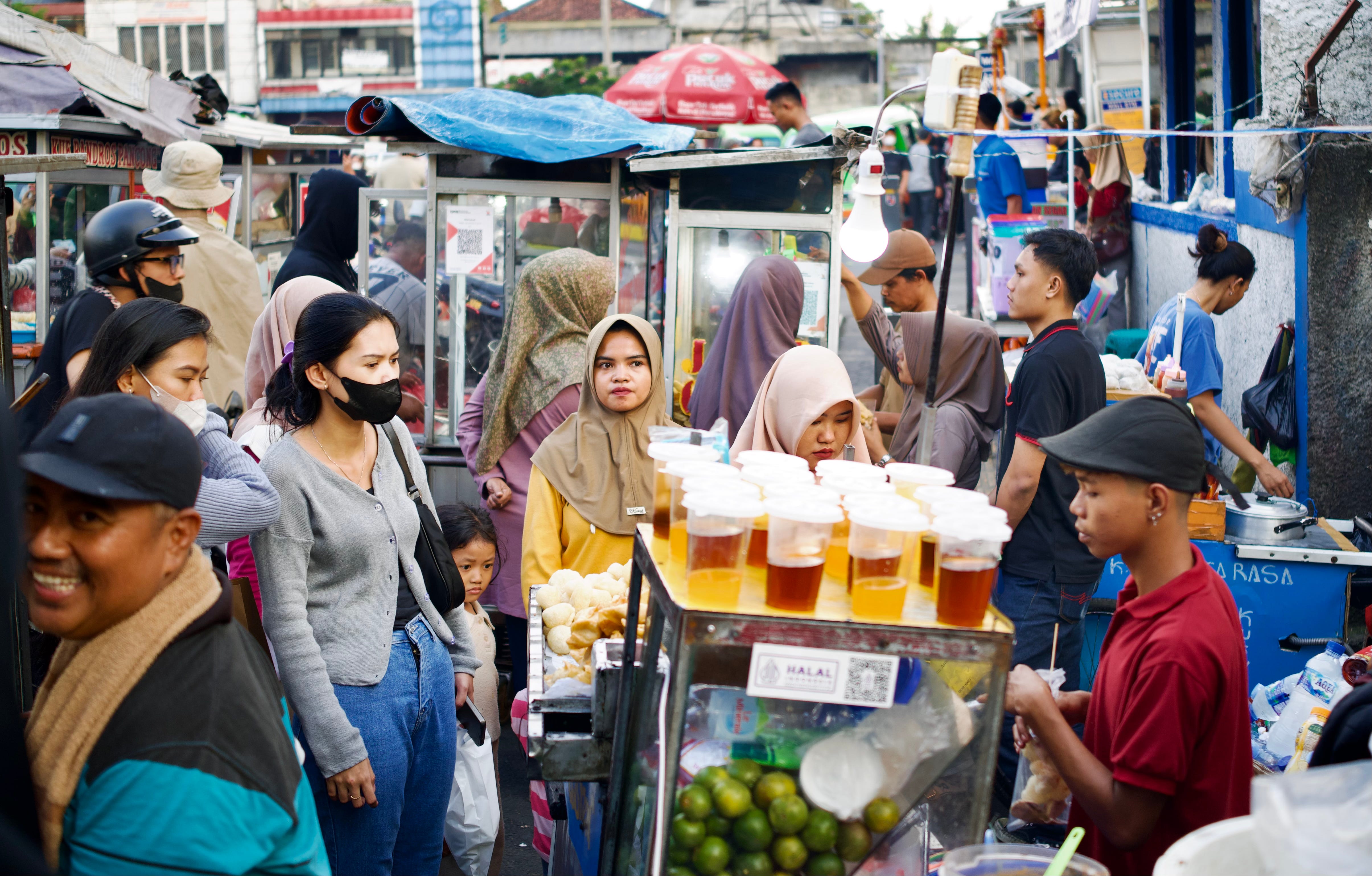
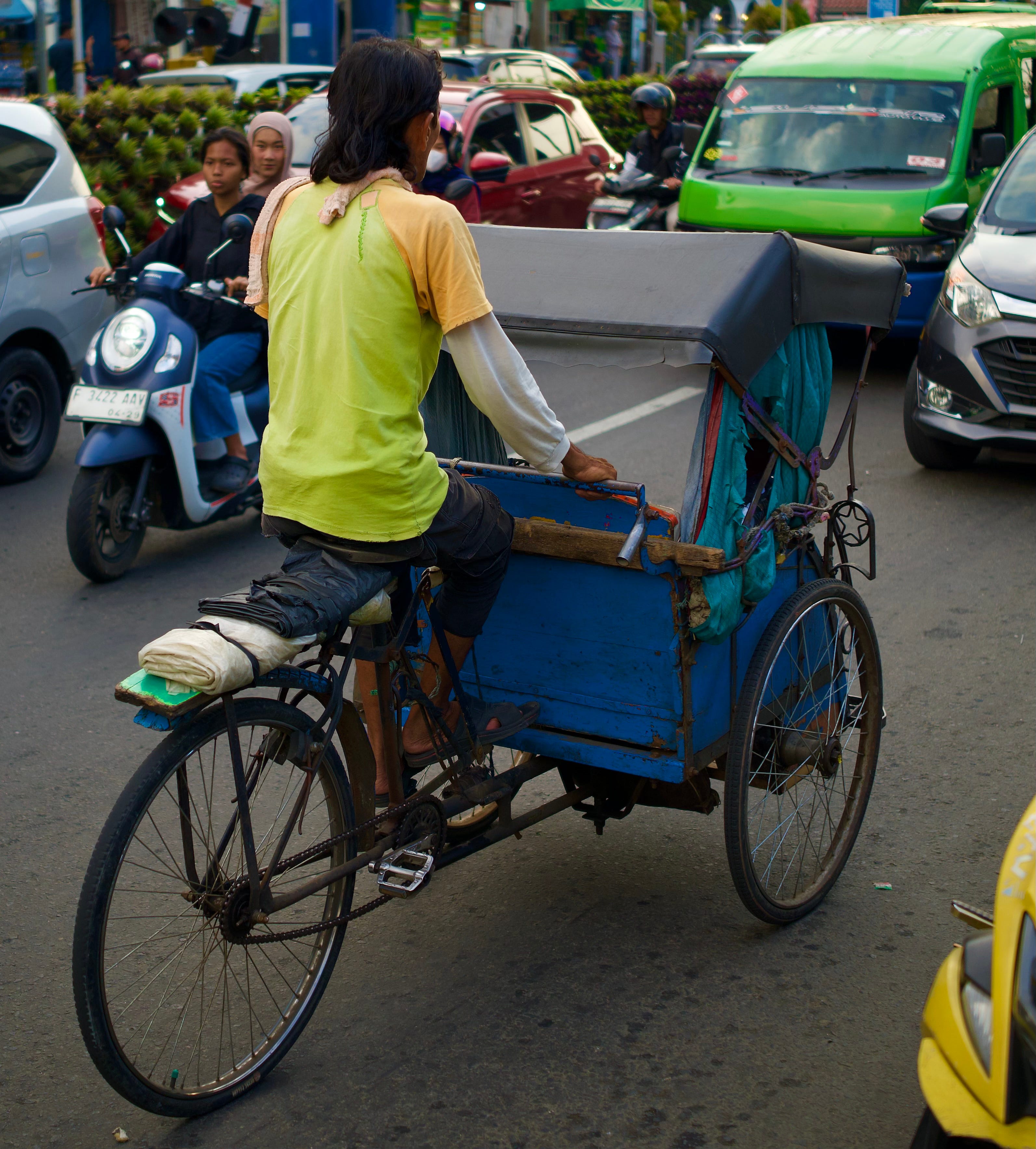
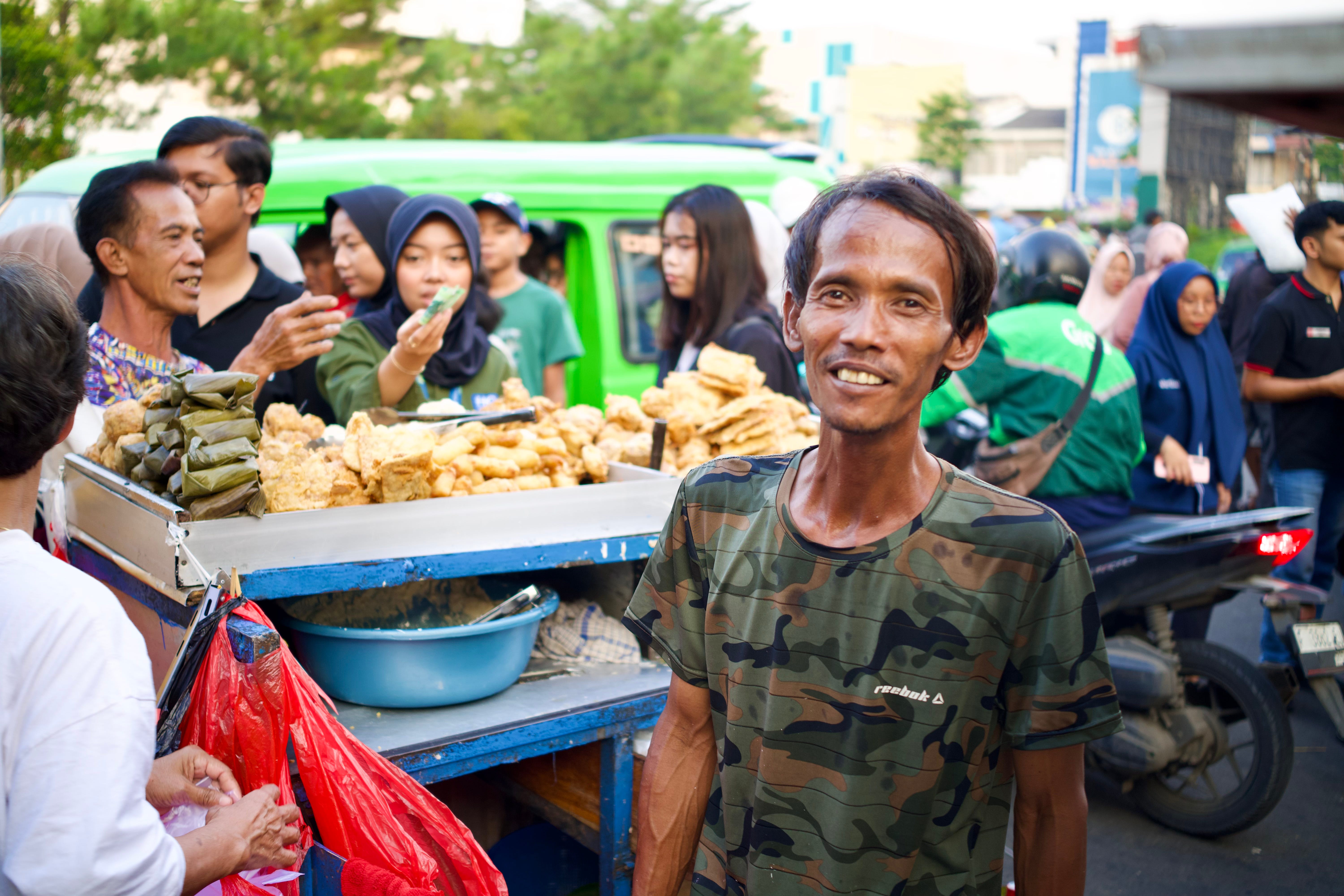
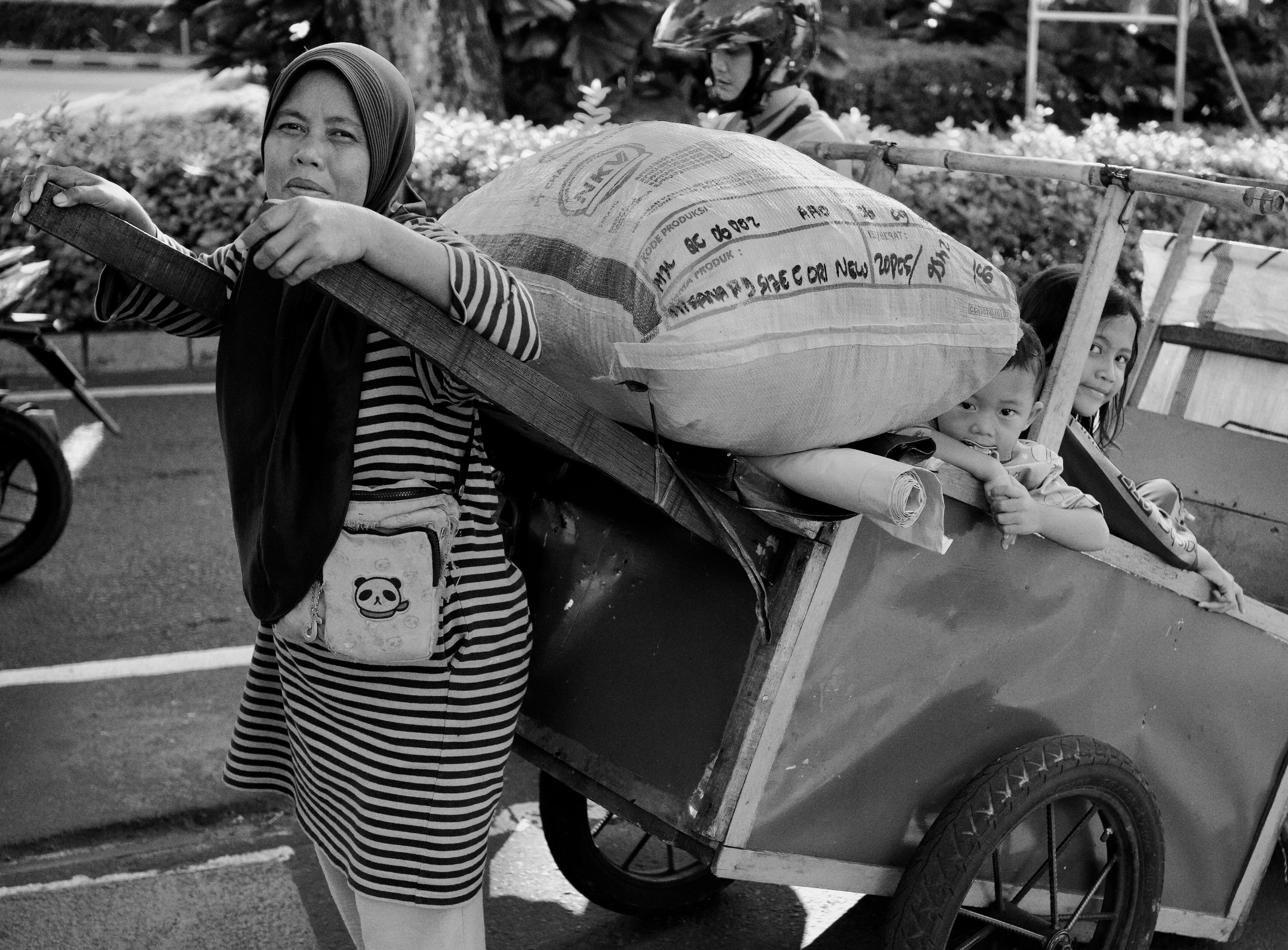
Bogor-Jakarta-Rangkasbitung with three line changes get myself and my fellow explorers navigating the highly effective train system.
From here we find a driver to take us to the coast.
Roads are chokka full, small buses carrying villagers with their shopping or market wares from the big town to their home, trucks and buses;
Scooters upon scooter……..fun fact : there are just short of 130 million scooters in use in Indonesia!! and 71 Million in Java.
Honda, Yamaha, Suzuki, Vespa, Kawasaki, Aprilla, Moto Guzzi.
As we travel West the streets open up and in behind the roadside stalls rice fields and cone shaped inactive jungle clad volcanoes appear.
I notice a few villages that appear rather clean from plastic waste.
I also notice small smouldering burn piles. Make the connection here because Yes that’s what they do here. Burn plastic.
Plastic plastic everywhere.
We get to the coast.
My heart was not prepared for what I find.
I’ve been witnessing the signs of a culture that has no responsibility for their plastic use. I mean at all. A child level of responsibility. If you don’t know what I mean by this, a child makes a mess and leaves it for someone else to cleanup. Which is fine - if you are a child.
The amount of single use plastic in action here is phenomenal.
Drink cups with a straw in a plastic bag, bottles of drink, plastic containers with takeaway and street side food put into a plastic bag; single sachet drinks of as many flavours as you can imagine. Plastic wrap. A plastic spoon inside a plastic cover inside a plastic bag.
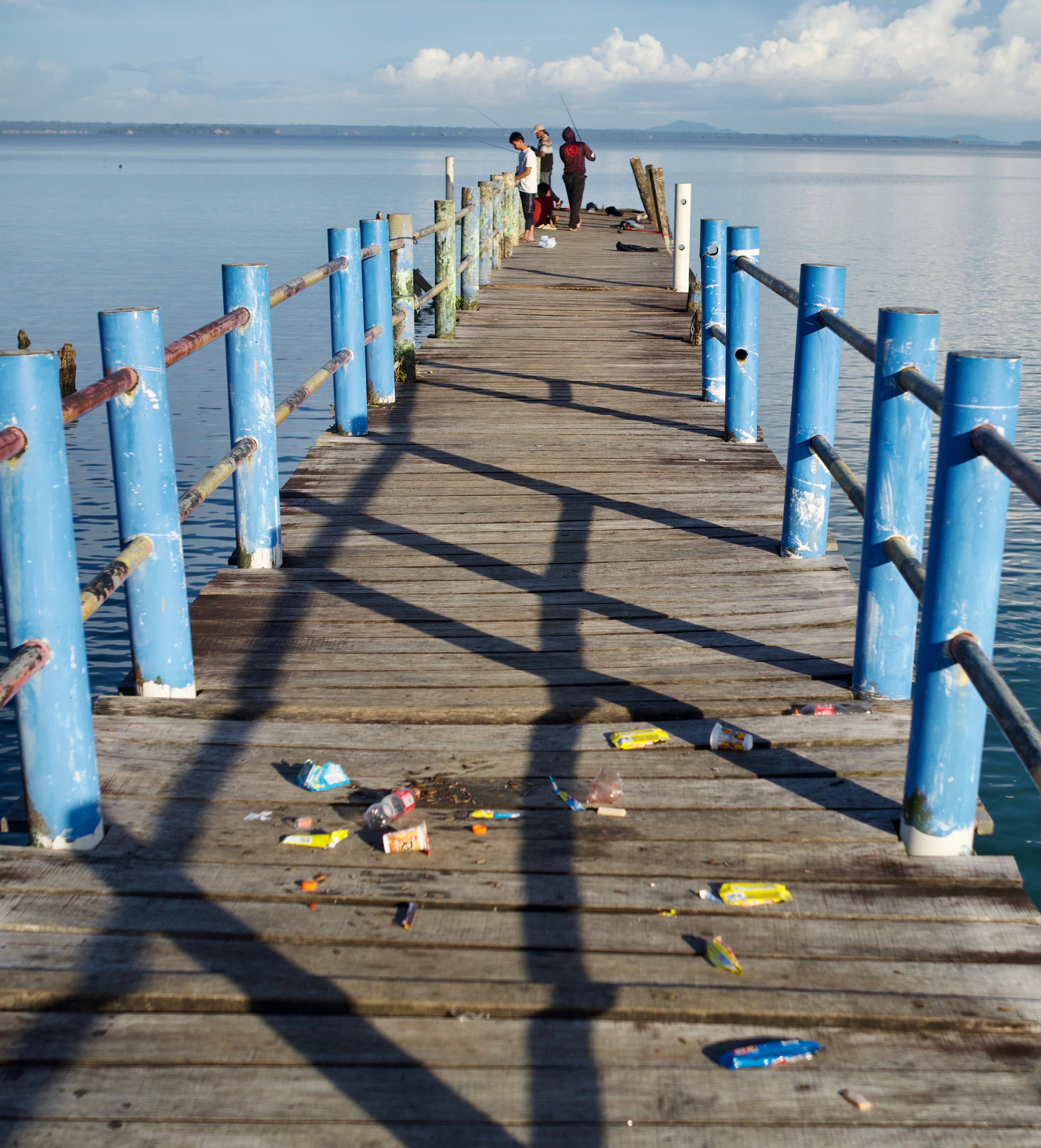
Use it and drop it. Buy, use, drop. Repeat. Buy use drop repeat.
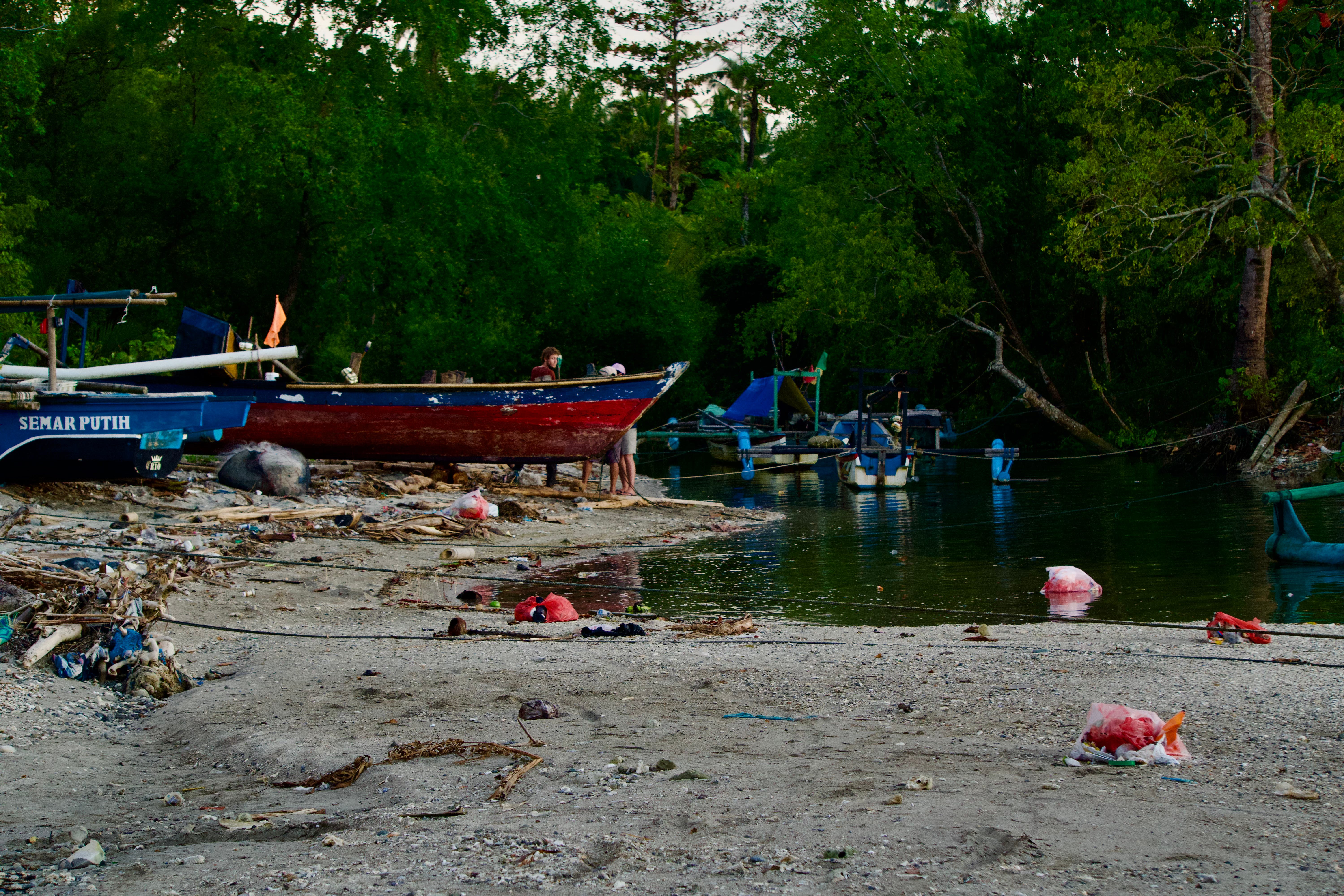
on the street. on the pavement, in the park, in the alleyway, on the roadside, on the beach, in the picnic area, in the village, in the city, in the front yard, in the back yard.
Drains full of plastic.
Drain grids full of plastic.
Plastic lining the railway lines.
Piles of plastic.
Plastic poked into nocks and crannies.
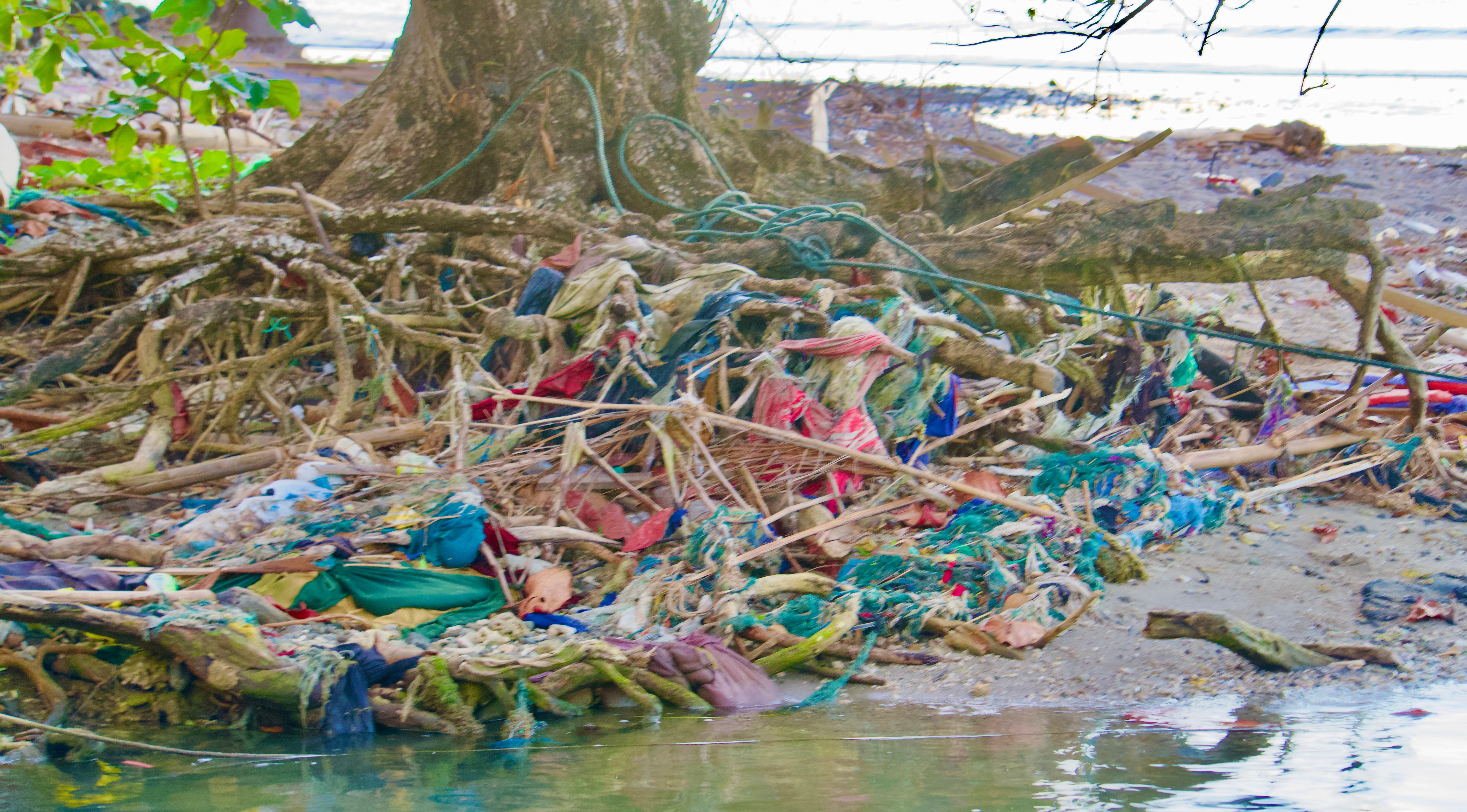
Waterways with piles of plastic on the banks.
Plastic in the rivers.
People fishing in waterways with plastic in them; their lures floating over the plastic.
When I have seen rubbish bins, which there are at railway stations with seperate plastic, recycling, paper and compost, all are nixed with no separation going on.
But when I got to the coast I cried. It is so vast. My heart broke.
It landed in me that this is the landing point and a sign of what is in the water, in the plankton, in the fish.
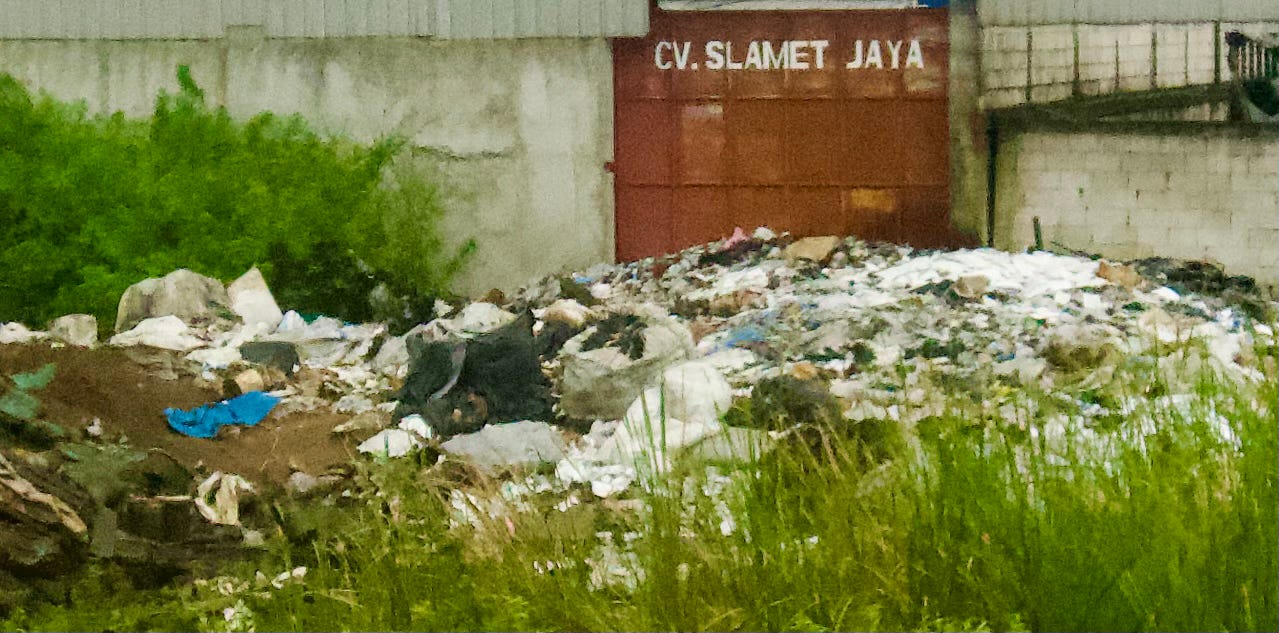
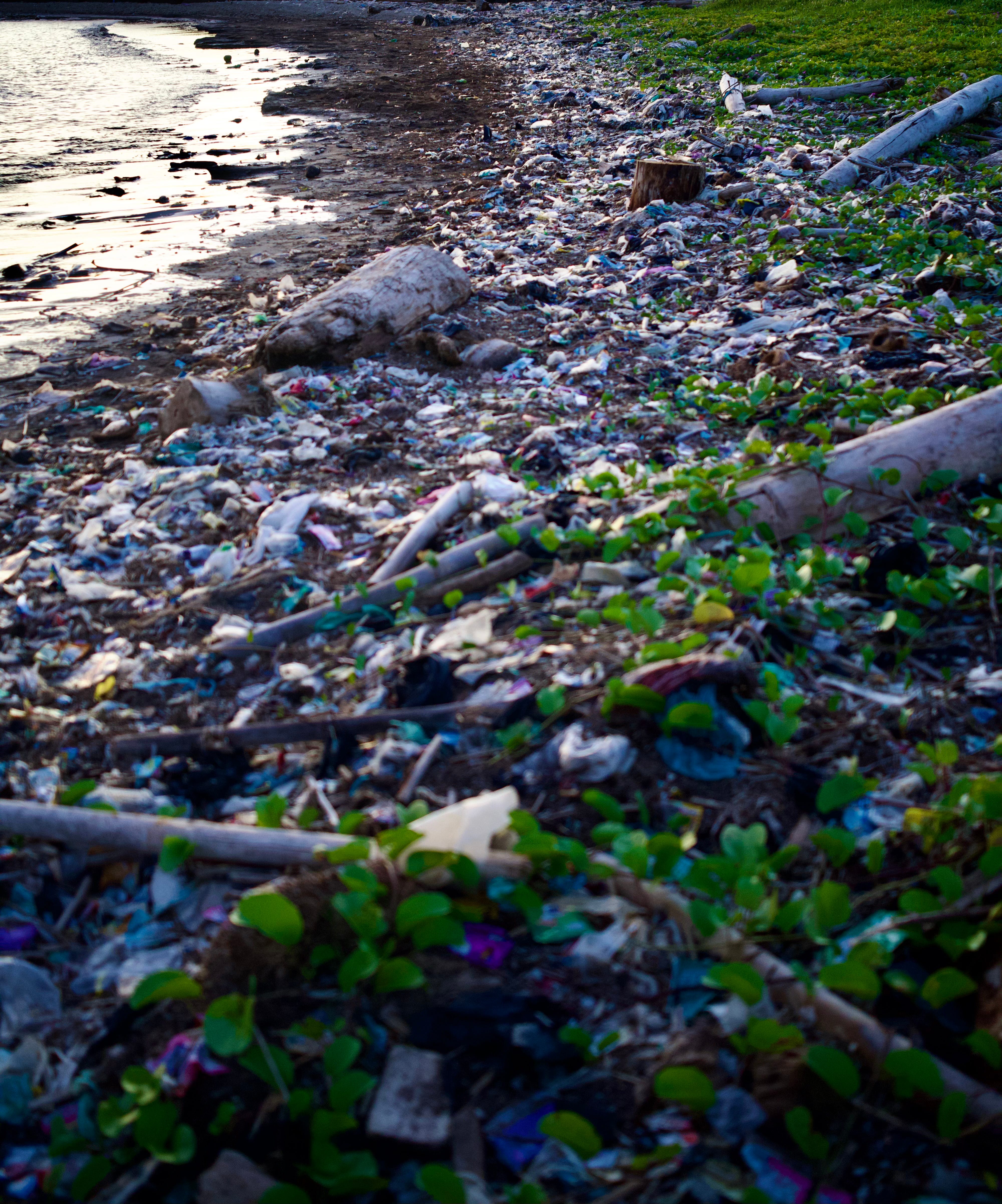
Indonesia import some 263,000 tonnes of plastic per annum from other countries of which 40% comes from the Netherlands.
On top of this Indonesia consumes 5.6 million tonnes of virgin raw plastic materials per annum.
Of this, the recycling and paper industries use 1.23 million tonnes in a year, of which roughly 75% are sourced locally.
That is only 21%. of plastic being recycled. 79% is burnt and dropped.
That is an unimaginable amount of plastic for Mother Earth to be expected to consume…………..every year.
And this does not include the plastic that arrives in this country in manufactured goods.
And then on the coast more arrives by sea.
Sitting in ocean currents coming down from the Middle East and other parts of Asia, it is not unheard of to find plastic from Dubai on a beach.
Luckily the Indonesian Government has put a stop to importing plastic from other countries in 2025.
How do you feel about this?
I invite you to slow down and take this all in.
Close your eyes.
And imagine how much this amount of plastic look like.
Now visualise that 57% of households in Indonesia openly burn their plastic waste.
Smell the smoke of these fires. Acrid, chemical. Fumes.
See the people standing around their burn piles breathing it in.
Notice the fumes going up into the food crops around them.
The residue sitting on the earth; no where to go.
What do you want to do with plastic in your life?
* I notice in myself how in the first week here I did not take photos of the plastic in Jakarta and Bogor. It was a way of me keeping my numbness to it. A way in which to survive being here for 6 weeks. A way in which to reduce the amount of attention I was putting towards noticing it.
I was scared that if I engaged in the creative part of taking photos of it, it would become too much for me to be able to handle. That my heart would break everyday.
It seems such a massive problem that it seems like an impossible task to clean up.
I write this from Yogyakarta in my third week of being here.
The amount of plastic in the environment is noticeably less here and I have been able to relax more here than along the West Coast, in the cities and in Ujong Kulon.
This has given me time to realise that the story of the plastic in this land is an important one to tell and to capture on film.
When I leave here and go back to Jakarta and the West Coast I will film and photo more of it.
I hope this opens up the pathways in you to look at your own plastic usage and to become an Adult in the way you use it.
Or even more than this, which would be to become Radically Responsible.
An Adult level of Responsibility means you look after the plastic you consume.
A Radical level means you take care of more than you create, you take a stand to clean up others as well.
To do this it can start with not buying it in the first place.
Sourcing food and products that do not come wrapped in plastic.
Refuse to purchase the plastic wrapped single vegetable, like a cucumber.
Take your own containers shopping.
Buy from the local community garden and direct from growers.
An experiment for you to try:
For 1 month do not buy anything that comes wrapped in plastic.
Go into a supermarket and buy only products wrapped in paper, cardboard or metal or not at all.
Source the other food products from smaller shops and take in your own containers.
Turn it into an adventure of research and curiosity.
And please share with me what you discover. I would love to hear from you.
Your actions make a difference.
The Earth will thank you.
Love, Jay